ISO 14064-3 verification workflows, without the coordination overhead
Built for third-party verifiers (VVBs) and in-house teams running GHG verification programs aligned to ISO 14064-3. Athian structures the engagement from evidence request to verification statement — so the verifier's time goes to independent review, not document chasing.
Where verification programs break down
Most GHG verification engagements are still run on the same tools compliance teams have used for decades. For organizations managing lots of engagements, the manual model creates a specific, predictable failure.
Engagements run on email and spreadsheets
Evidence requests go out via email. Responses arrive in inconsistent formats, across multiple threads, with no single system of record.
Every engagement is bespoke
Each engagement is rebuilt from scratch—new checklists, new request templates, new tracking spreadsheets.
Verifier time goes to coordination, not review
The work that defines a GHG verification engagement — independent, expert assessment of emissions data — is crowded out by logistics: chasing missing documents, reconciling submissions, and assembling a coherent evidence file before the actual review can begin.
What each Athian step removes from your team's plate
Enforce your policy consistently, no matter how many suppliers you have, with no proportional increase in your team's coordination load.
1 | Define
Configure which evidence is required for each criterion: document types, data fields, reporting periods, and acceptable formats. The protocol is the shared source of truth. The entity under review sees a structured submission window, not an email with a list of requests.
2 | Collect
Submissions arrive directly into Athian against the defined protocol criteria. The verifier has real-time visibility into what has arrived, what is in progress, and what has not been submitted.
3 | Review
Athian's AI agents check document availability, reporting period coverage, and evidence appropriateness by sector and scale. The verifier receives a summary of which criteria are satisfied, which are flagged, and which require human judgment. AI prepares the file; the verifier makes the determination.
4 | Attest
The reporting entity attests to the accuracy and completeness of its submissions. The verification body attests to its independent conclusion. Neither can attest on behalf of the other. Every attestation is timestamped and attributed to a named signatory, producing an audit-defensible chain of responsibility.
5 | Handoff
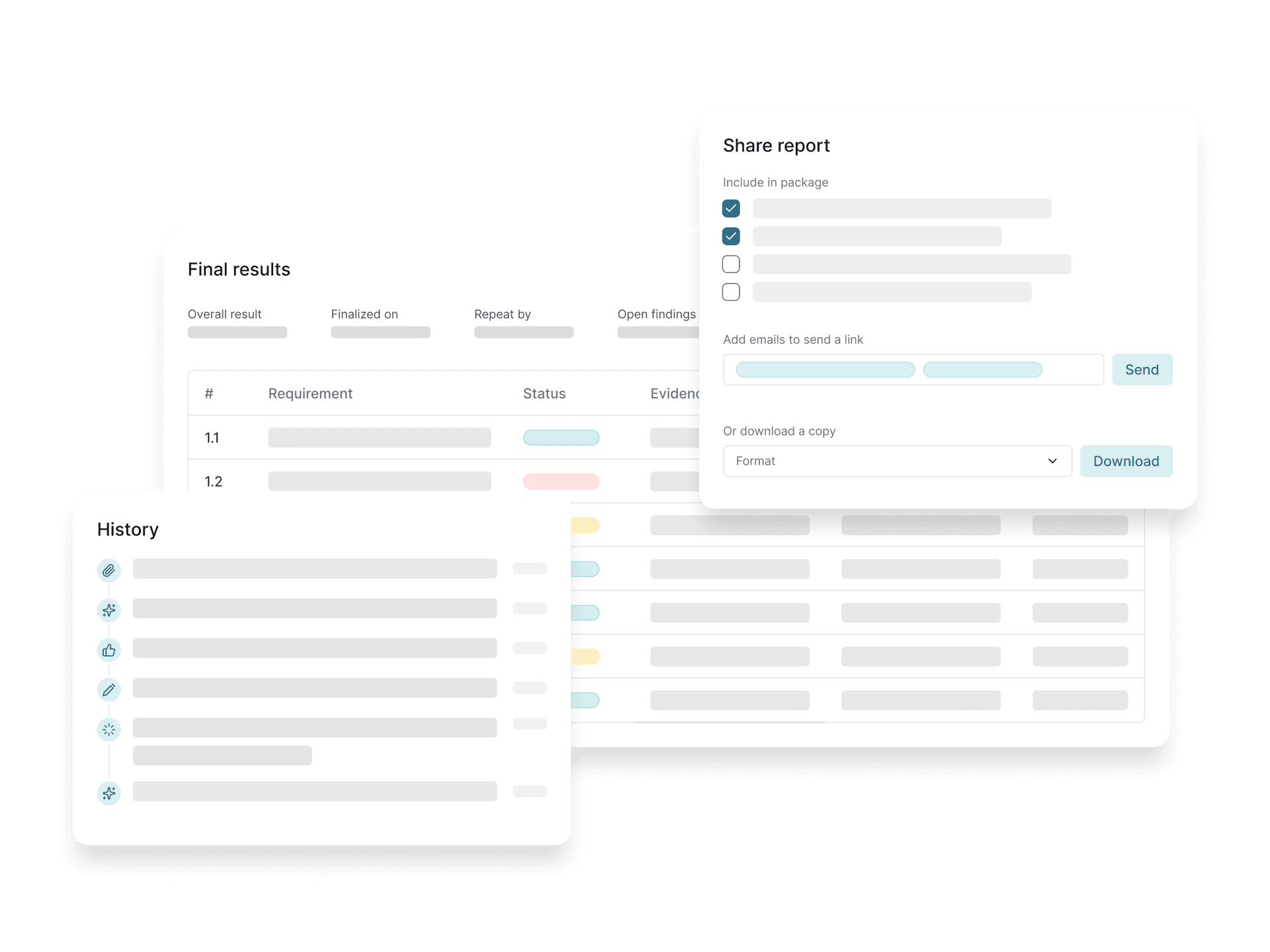
The engagement closes with a compiled evidence package: timestamped evidence by criterion, AI gap analysis, verifier decisions and override notes, dual attestations with named signatories, and the final verification conclusion.
Ready for whoever needs to see it
Each engagement produces a signed, timestamped evidence package organized against the relevant standard. Every submission linked to the requirements it satisfies, every decision logged. Audit-defensible by design.
- Timestamped evidence, tagged with who submitted it, when, and against what criterion
- AI gap analysis for each evidence item against protocol thresholds
- Verifier decisions with any override notes
- Named signatories and timestamps, each party attesting under their own authority
- Final pass/fail status structured to support the verification statement without additional effort
See how this works for your GHG verification program
Whether you run third-party verification engagements as a VVB or manage an in-house GHG verification program, we'll walk through how Athian maps to your specific ISO 14064-3 requirements — no generic demo.